Prompting for Brand Consistency: Why It's Harder Than It Looks
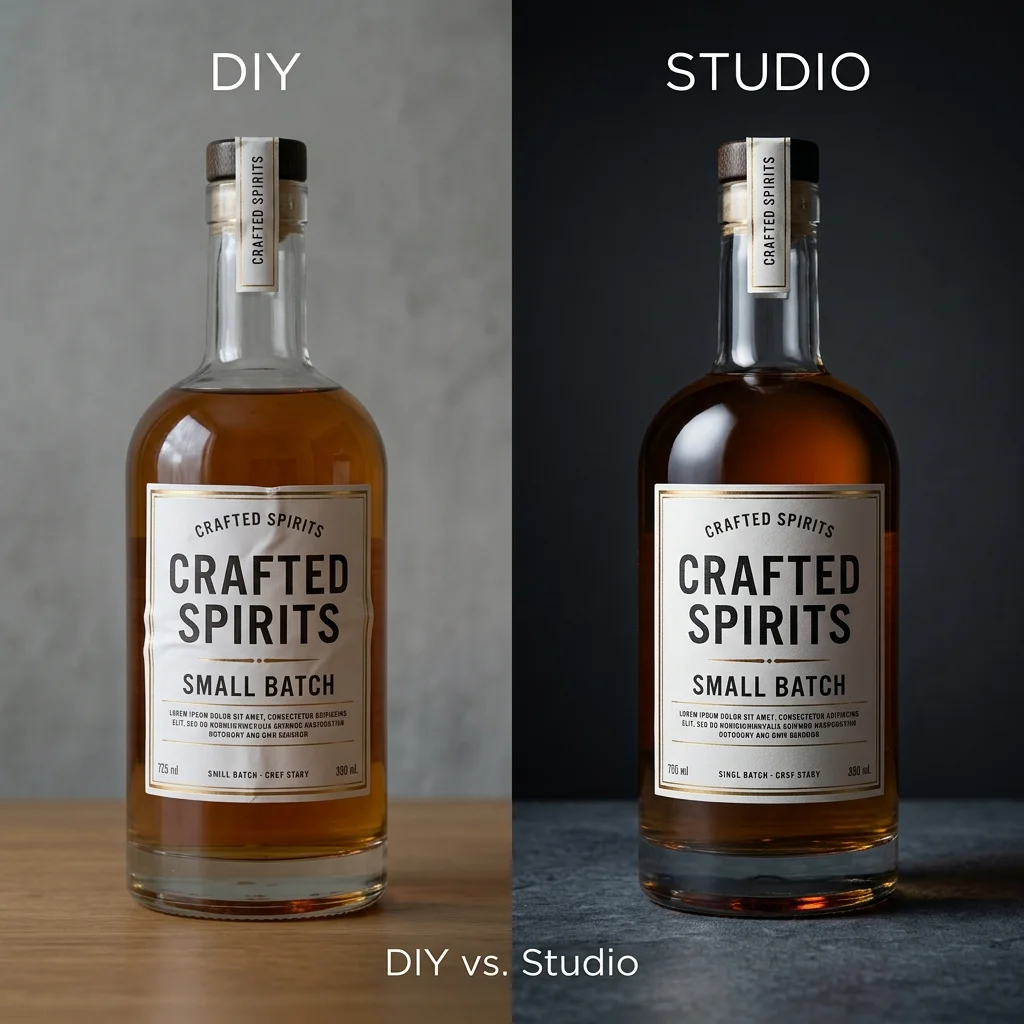
Anyone can get one striking AI image. The harder problem — the one that actually matters for a brand — is getting twenty cohesive images.

Anyone can get one striking AI image. The harder problem — the one that actually matters for a brand — is getting twenty images that look like they came from the same photographer, on the same day, under the same brief.
Lock your reference language early
Write a fixed "style block" — lighting description, colour palette, camera angle logic, mood — and reuse it verbatim across every prompt for the set. Improvising fresh descriptive language each time is the single biggest cause of visual drift.
Separate subject from style
Keep what changes (the product, the pose) and what stays fixed (lighting, background treatment, colour grade) as distinct prompt segments. It's easier to catch when style language has quietly shifted if it isn't tangled with the subject description.
Use a locked reference image where the tool supports it
Image-prompting against a fixed reference disciplines the model's colour and lighting choices far more than text description alone.
If you already have product photos but no video content, Kurama Studios can turn those assets into polished product videos for ads, reels and landing pages.
Kurama Studios helps ecommerce brands create AI-powered product photography, video ads, reels and campaign assets from the product imagery they already have.
Grade in post, not just in-prompt
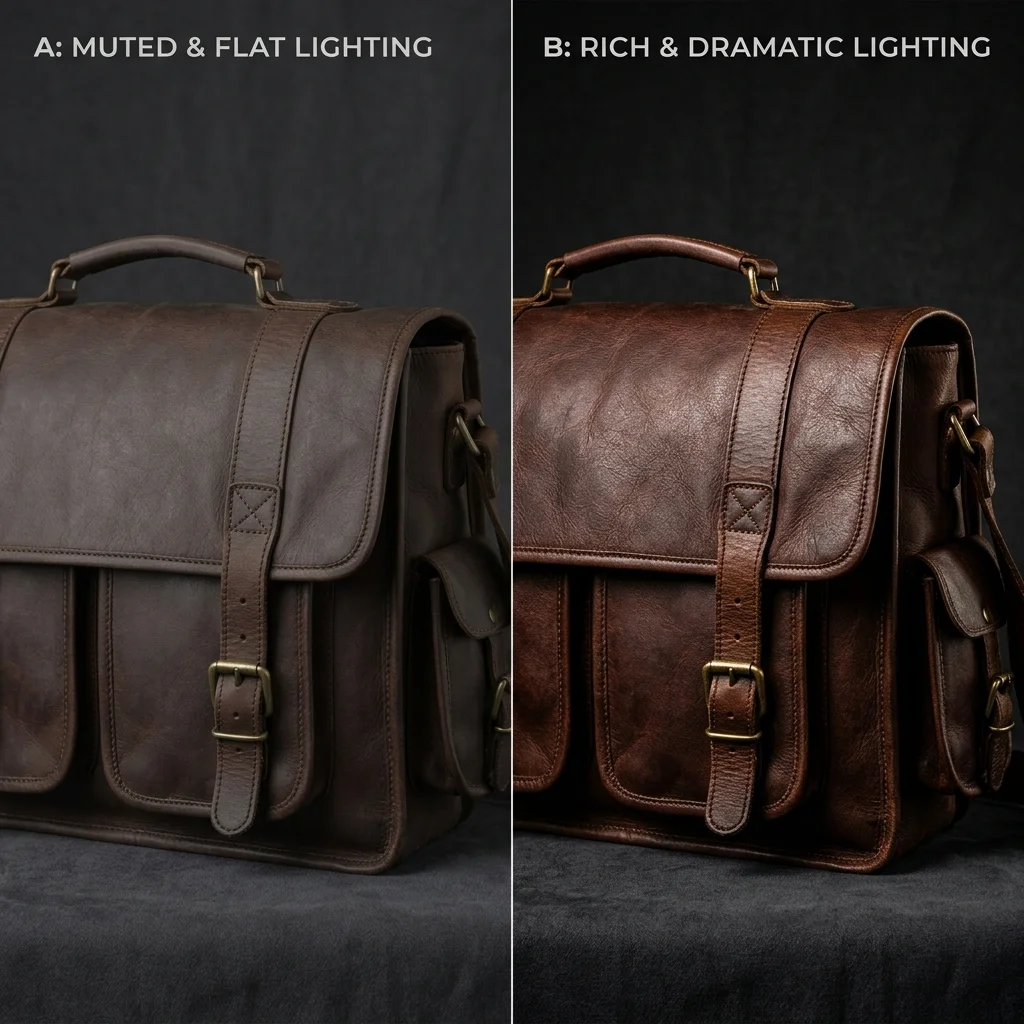
Even with identical prompts, generations vary. A consistent colour grade applied across the final set in post-production does more to create a cohesive "look" than prompt engineering alone ever will.
Build a rejection standard, not just a keep pile
Decide in advance what breaks consistency — a shadow angle 10 degrees off, a background half a shade warmer — and hold every image against it. Without a written standard, "close enough" creeps wider with every image.
This is a learnable skill. It's also a genuinely time-consuming one to do properly across a full catalogue, which is why most in-house attempts either take shortcuts on consistency or take far longer than planned.
Consistency at scale is the actual product we sell — worth seeing a full catalogue example if this is the wall you're hitting.