7 AI Product Photos That Look AI-Generated (And Why)
If you're producing your own AI visuals, this is the checklist to run every image against before it goes live.
If you're producing your own AI visuals, this is the checklist to run every image against before it goes live. Customers can't always articulate why an image feels "off" — but they notice.
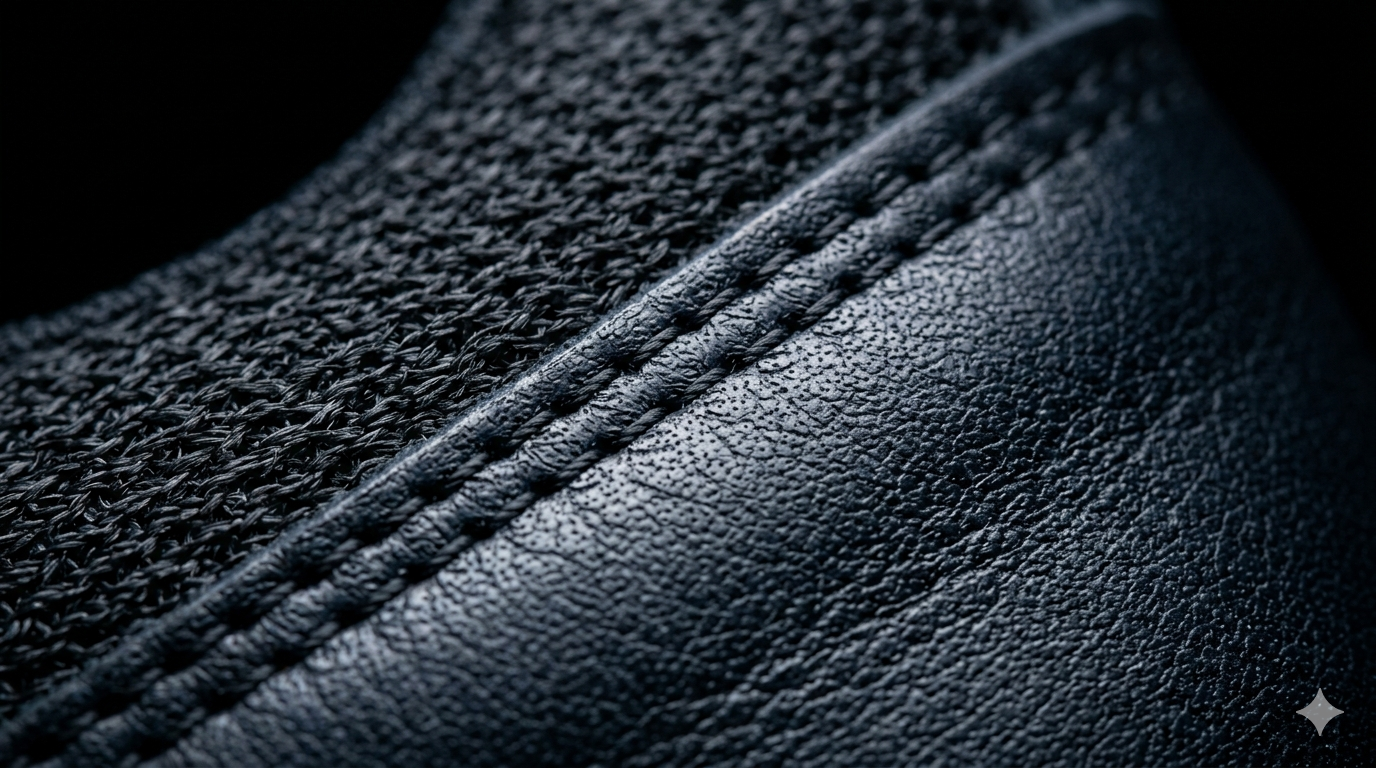
- —1. Plastic-smooth skin or surfaces. Over-denoised generations lose natural micro-texture. Fix: add texture/grain in prompt or post, avoid over-upscaling.
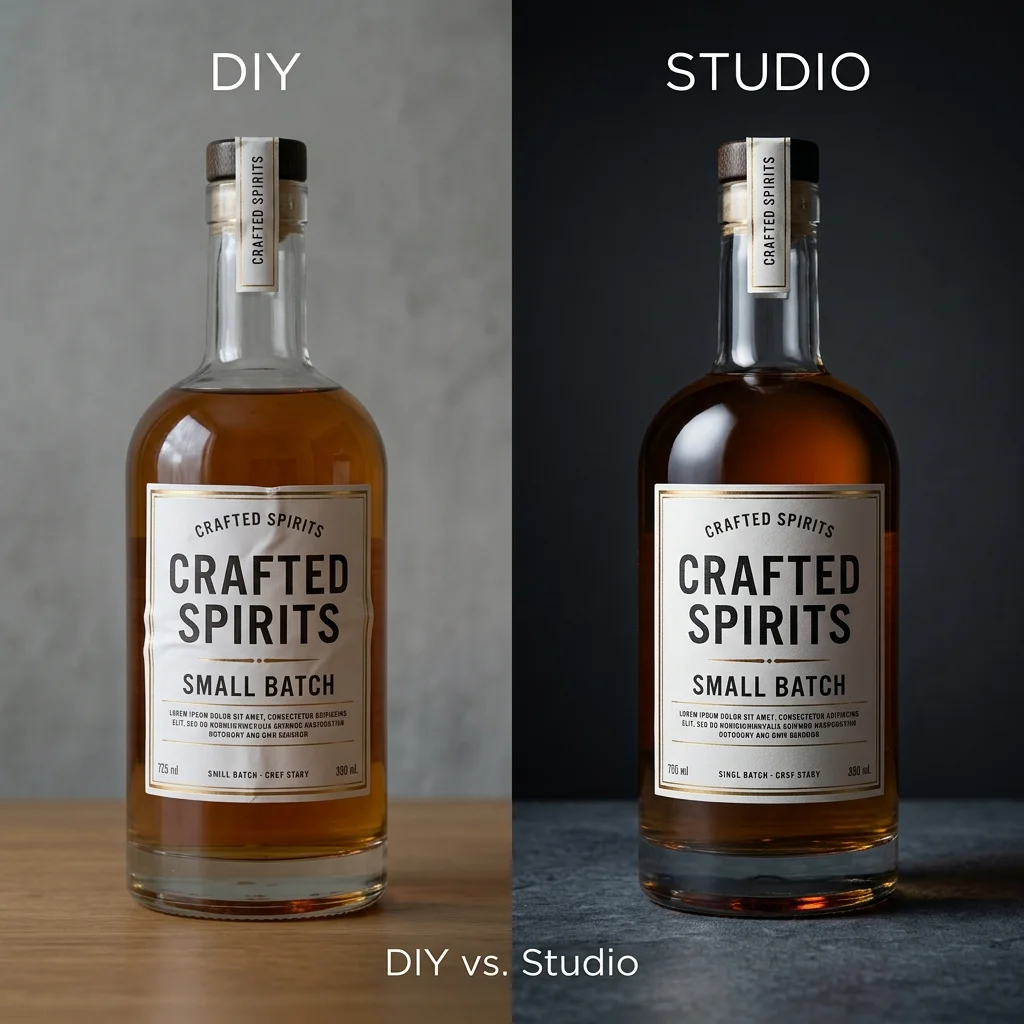
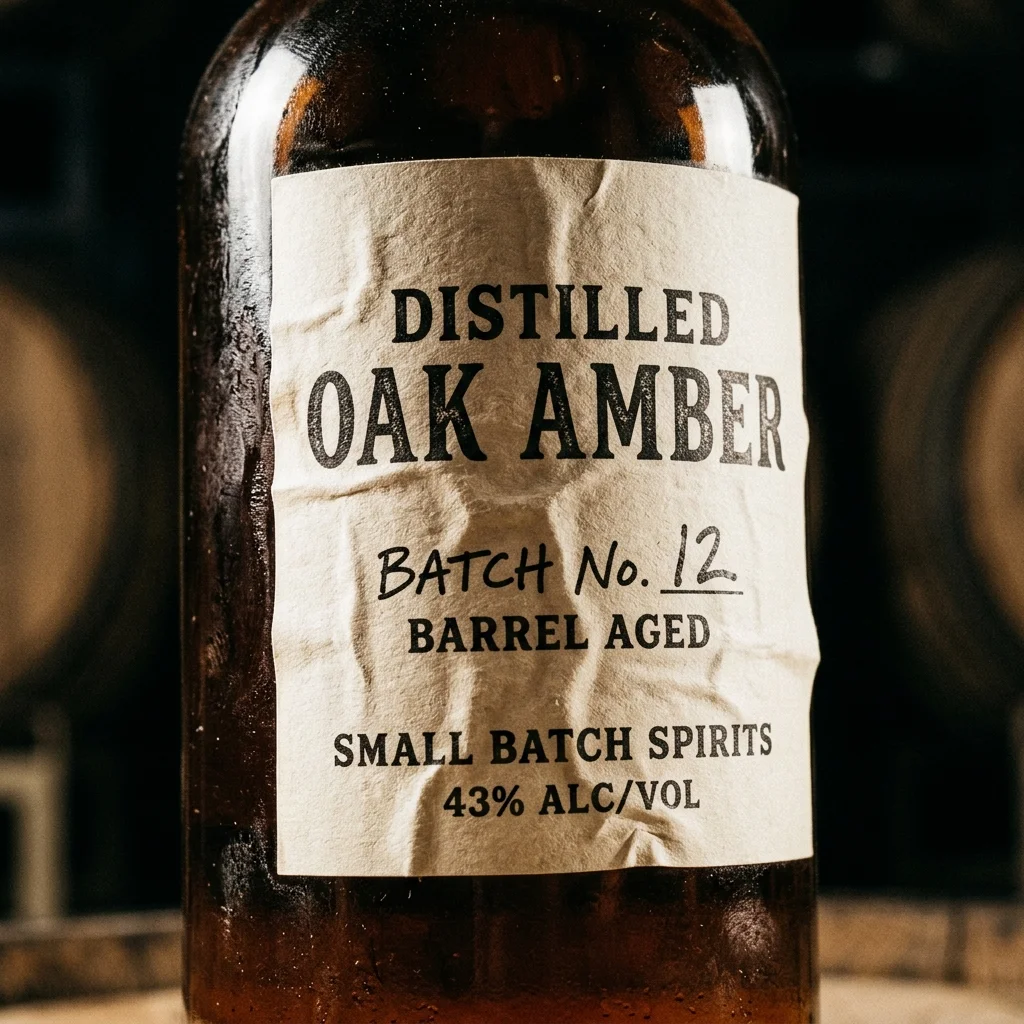
- —2. Warped or illegible text. Labels, packaging copy, logos — still the hardest thing for generative models to render accurately. Fix: generate without text, add it back in post.
- —3. Inconsistent shadow direction. Multiple objects in one scene, each lit from a different implied angle. Fix: reference a single light source in the prompt, or composite from a consistent base plate.
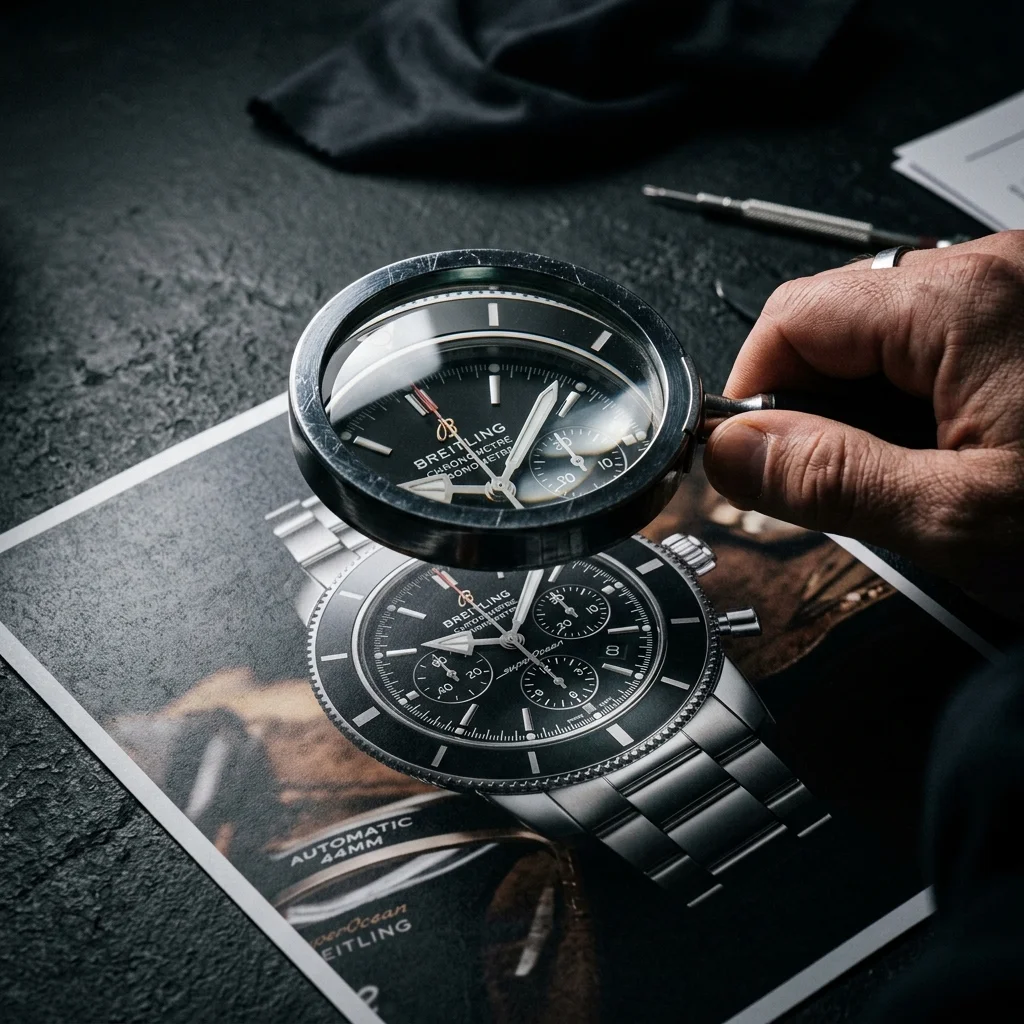
- —4. Reflection mismatches. A reflective surface showing an environment that doesn't match the actual scene. Fix: manual reflection painting, or shoot the reflective element separately.
- —5. Extra or fused fingers on models. Hands remain the classic failure point. Fix: crop tightly, use hand-specific inpainting tools, or composite a real hand.
- —6. "Too clean" backgrounds. Gradient backgrounds with no environmental logic read as generated. Fix: add subtle environmental context — a shadow, a surface edge, dust or fabric texture.
- —7. Colour drift across a set. The same product looking a slightly different shade across images. Fix: colour-match in post against a locked reference swatch.
If you already have product photos but no video content, Kurama Studios can turn those assets into polished product videos for ads, reels and landing pages.
Kurama Studios helps ecommerce brands create AI-powered product photography, video ads, reels and campaign assets from the product imagery they already have.
None of these are unfixable — they're just time. Catching them consistently, across every SKU, every time, is the part that turns from "quick fix" into "another job".
Quality control at this level of detail is most of what a production pipeline is actually for — happy to show you what that looks like for your catalogue.