AI Product Photography and Video for Ecommerce Brands
How ecommerce brands use AI product photography and video to create better ads, content and campaigns without expensive production.
Ecommerce brands face a persistent bottleneck: content production. The math is brutal. Social platforms demand fresh creative daily to fight ad fatigue, but traditional production cycles move in weeks and months. You cannot win a high-velocity auction with slow-moving assets.
This operational drag is why cost per acquisition (CPA) creeps up. When you cannot test enough visual hooks, your ads stall. You are left burning budget on stale imagery because organizing another physical shoot is too expensive and time-consuming.
Why Traditional Production is Slow and Expensive
Physical shoots require coordination that does not scale. Booking studios, sourcing props, hiring models, managing lighting equipment, and executing post-production all add layers of friction. If you want to change a background color or adjust a shadow to test a new angle, you have to start the process over.
The traditional model forces brands to rely on a few "hero" assets for months at a time, hoping they convert. It is high-risk and inflexible.
What AI Product Photography Is
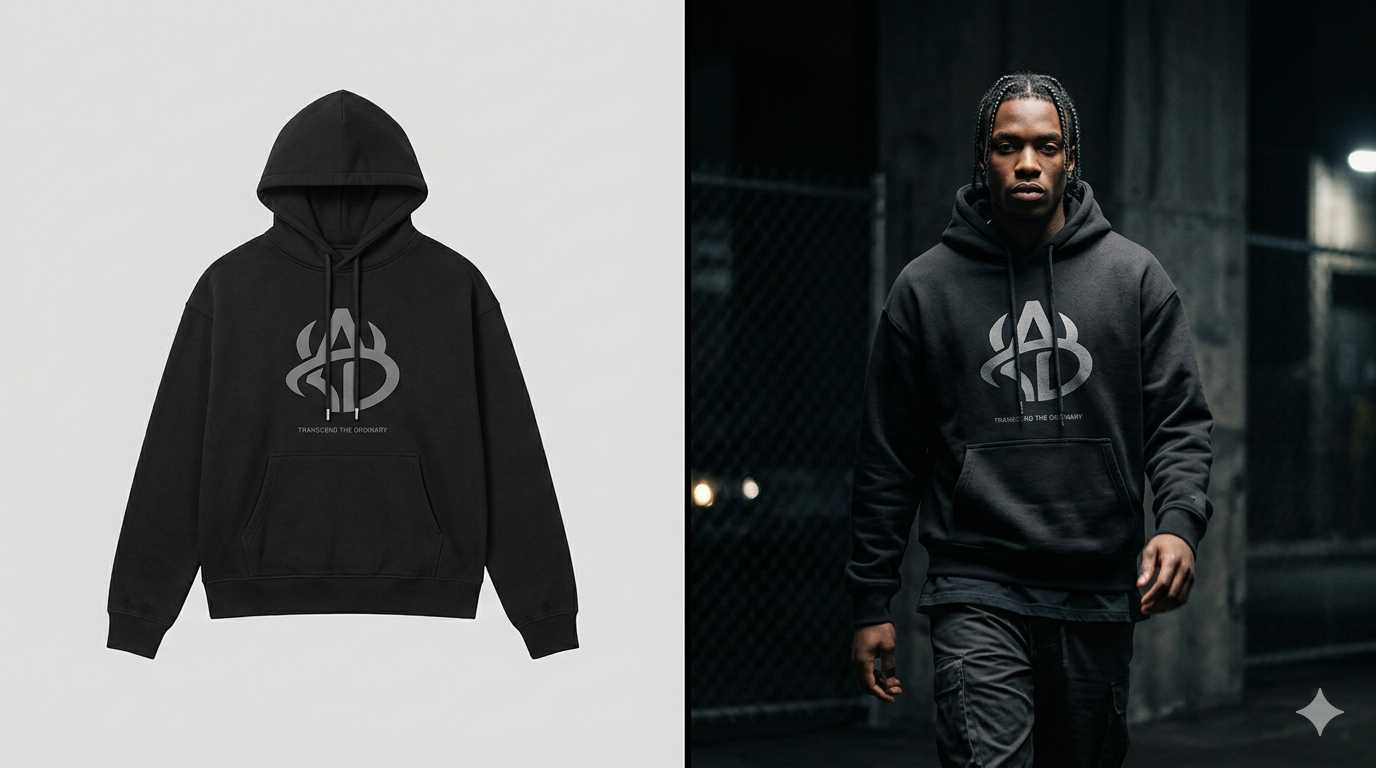
AI product photography is the digital architecture of physical environments. We take your standard product packshots and integrate them into high-fidelity, computationally generated scenes. The lighting, shadows, and reflections are mapped precisely, ensuring the product itself remains 100% accurate.
It removes the physical limitations of a studio. Your product can exist in a minimalist concrete loft or on a marble countertop under morning sunlight, created entirely without a camera.
What AI Product Video Is
AI product video extends this logic into motion. It is not a slideshow; it is cinematic movement. We generate dynamic lighting shifts, camera pans, and subtle environmental motion around your existing static product imagery. It creates the stopping power needed for TikTok and Instagram Reels.
Motion drives engagement. By turning static shots into fluid video assets, you unlock inventory on short-form platforms without hiring a videographer.
Why Creative Volume Matters for Meta and TikTok
The algorithm is the ultimate media buyer, but it requires data to function. Testing 3 creatives a month is no longer viable. To find outliers that scale, you need to test 30 to 50 variations of an ad. You must test different hooks, environments, and lighting styles.
Volume is your competitive advantage. When you decouple creative generation from physical shoots, you unlock the ability to feed the algorithm continuously.
Why Most Brands Fail Using AI
Many brands treat AI as a magic button. They use generic tools and end up with generic, synthetic-looking images. Products look distorted. Shadows float. Lighting does not match the environment. This destroys brand trust instantly.
AI without creative direction is just noise. The software handles the rendering, but human expertise is required to enforce composition, brand identity, and buyer psychology.
What Actually Works
What works is a managed workflow. Starting with clean, high-resolution source imagery. Using targeted prompts to build environments that align with specific buyer personas. Applying rigorous post-production to fix lighting inconsistencies and ensure pixel-perfect label accuracy.
It is about treating AI as a high-end production tool, not a shortcut.
Where Kurama Studios Fits
Kurama Studios acts as your dedicated creative production arm. We manage the entire AI pipeline—from creative strategy to final ad-ready asset. We turn the photos you already have into the high-converting campaigns you need. No more booking studios. No more waiting weeks for edits.
Explore the Strategies
Dive deeper into how we use these frameworks across specific channels and formats:
- —How to choose an AI product photography agency
- —How to create TikTok product ads that feel native
- —What actually drives Meta ad performance
- —Creating Shopify product images without shoots
- —Skincare visuals and trust
- —Fashion and identity in AI visuals
- —Creating seasonal campaigns with AI
- —Why visuals fail to convert
- —Creative testing volume
- —AI as competitive advantage