DIY AI Video Ads: What Kling and Seedance Can (and Can't) Do Yet
AI video tools have moved fast enough that "what can they actually do" is a moving target. Here's where things stand for product and fashion ads.
AI video tools have moved fast enough that "what can they actually do" is a moving target. Here's where things stand for product and fashion ad creative specifically.
Where they genuinely deliver
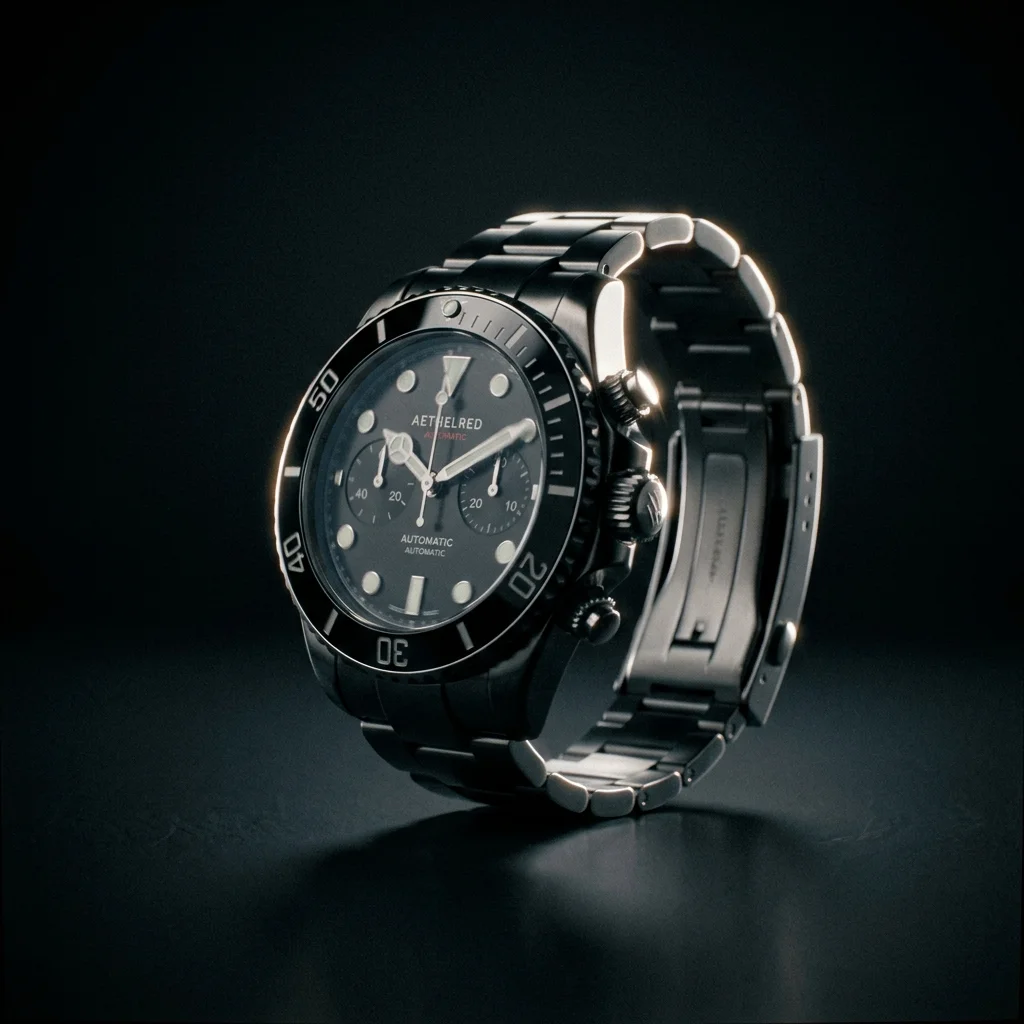
Short, contained motion — a slow product rotation, fabric movement, a subtle camera push — looks convincing and production-viable now. Both tools handle single-subject, simple-motion clips well enough to use in real ad creative without heavy correction.
Where they're close but need supervision
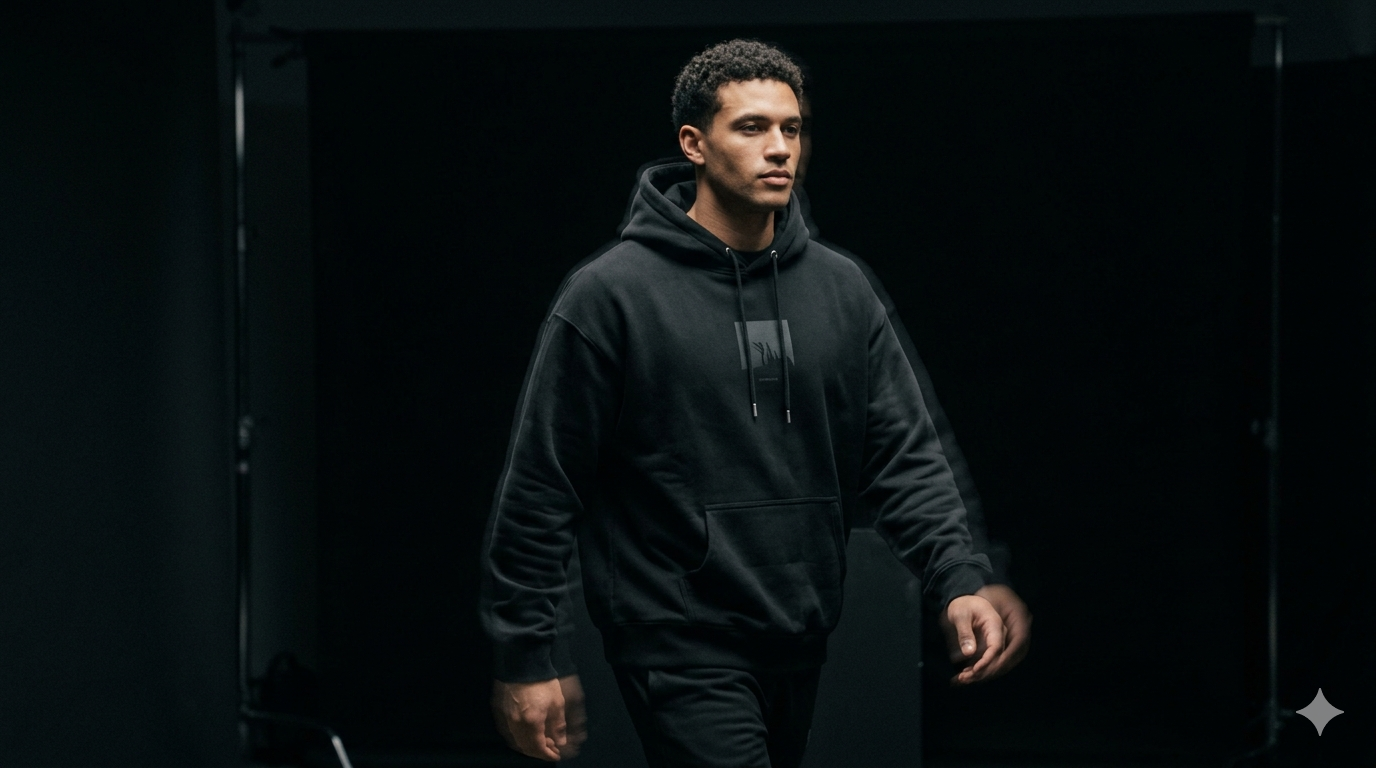
Multi-second sequences with a model walking or turning can work, but consistency across the full clip — the face staying "the same person," proportions staying stable — needs review on nearly every generation. Expect several attempts per usable clip.
If you already have product photos but no video content, Kurama Studios can turn those assets into polished product videos for ads, reels and landing pages.
Kurama Studios helps ecommerce brands create AI-powered product photography, video ads, reels and campaign assets from the product imagery they already have.
Where the ceiling still is
Complex multi-subject scenes, precise hand-product interaction (someone applying a product, tying laces), and anything requiring exact brand-colour accuracy across a longer clip still need heavy manual correction or aren't reliably usable yet. Dialogue and lip-sync remain rough.
The practical implication
For a single hero clip, current tools are genuinely good enough to DIY with patience. For a full campaign — multiple products, multiple contexts, consistent brand look across every clip — the generation-to-usable ratio drops enough that the time cost per finished second climbs fast.
This will keep shifting quarter to quarter, and we'll revisit this post as the tools move. Right now, treat these as genuinely useful tools with a real but narrowing ceiling — not yet a full replacement for a directed shoot when the brief gets complex.
We track these capability shifts closely because our production pipeline depends on knowing exactly where to trust the model and where to intervene — that's available to you without needing to track it yourself.